Showing posts with label wheat. Show all posts

Thursday, November 7, 2024

U.S. Wheat Classification and Its Impact on Baking and Food Production

In the United States, wheat classification is based on key characteristics, such as hardness (hard or soft), color (red or white), and planting season (winter or spring). Each type has unique qualities that influence its use in various baking and food industries.

Hard Red Spring Wheat stands out for its high protein content, often around 13-15%, which is the highest among wheat classes. This high protein concentration gives it strong gluten-forming abilities, making it ideal for bread and other yeast-based products. Bakers value hard red spring wheat for its superior milling and baking characteristics, which result in well-structured, elastic dough and a flavorful, robust loaf. This wheat is primarily cultivated in Northern Plains states, including North Dakota and Montana, which provide the specific growing conditions it requires.

Soft White Wheat contains lower protein content, generally around 8-10%, but has a high yield, making it an economically valuable choice for large-scale production. Soft white wheat’s lower gluten content makes it suitable for delicate baked goods like cakes, pastries, cookies, and muffins. These products require minimal gluten formation for a soft, tender texture. This type of wheat is mostly grown in the Pacific Northwest and is also exported to Asia for noodle production, as it meets the specific texture requirements for those cuisines.

Hard White Spring Wheat is the newest class of wheat in the U.S., developed to cater to consumers seeking a milder, sweeter flavor without compromising on nutritional or baking properties. This wheat has comparable fiber content to red wheat but is preferred for whole-grain applications due to its lighter color and taste, which are often more appealing in certain markets. The demand for hard white wheat has been increasing, especially for whole-wheat products and flatbreads, as consumers look for healthier and flavorful alternatives.

Beyond classification by type, wheat in the U.S. is also graded according to quality factors such as test weight (weight per bushel), the percentage of damaged kernels, the presence of foreign materials, and cross-contamination with other wheat classes. These grading criteria are essential for determining the wheat’s market value and suitability for specific applications. High test weights are preferred as they indicate healthy, plump kernels with better milling yields. Grading ensures that quality standards are met, helping millers and bakers select the best wheat for their products.

The meticulous classification and grading of wheat help maximize the quality of baked goods and other wheat-based foods, supporting a diverse range of food production needs across the country and beyond.
U.S. Wheat Classification and Its Impact on Baking and Food Production

Thursday, October 24, 2024

Wheat Production: A Global Agricultural Essential

Wheat production is a cornerstone of global agriculture, providing a staple food for billions of people worldwide. As the second most-produced cereal after maize, wheat is cultivated on every continent except Antarctica. In 2021, global wheat production reached approximately 771 million tonnes, highlighting its critical role in feeding the global population.

Wheat thrives in temperate climates with moderate rainfall, which makes regions like North America, Europe, and parts of Asia prime areas for its cultivation. Countries such as China, India, Russia, and the United States are among the top producers, contributing significantly to the global supply. Wheat’s adaptability also enables it to be grown in diverse environments, from the plains of the Midwest in the United States to the fertile fields of Northern Europe and the steppes of Russia. The crop is divided into two main types: winter wheat and spring wheat. Winter wheat, sown in the fall, has a longer growing season and is harvested in the summer. Spring wheat, planted in the spring, grows quickly and is harvested in late summer or fall. This versatility allows for staggered harvests, helping stabilize global food supplies.

The production process involves several critical stages, including soil preparation, sowing, irrigation, fertilization, and pest control. Advances in agricultural technology, such as the development of drought-resistant seed varieties and precision farming techniques, have significantly improved wheat yields. Precision farming, for example, uses GPS technology and data analysis to optimize planting density, fertilizer application, and irrigation, ensuring that resources are used efficiently. Despite these advances, challenges such as climate change, soil degradation, and water scarcity pose significant threats to wheat production. Extreme weather events, such as droughts and floods, can devastate crops, while unsustainable farming practices have led to the depletion of fertile soils in some regions.

To combat these challenges, many farmers and researchers are adopting sustainable agricultural practices. Techniques such as crop rotation, conservation tillage, and integrated pest management help maintain soil health and reduce the need for chemical inputs. These methods not only increase yields but also minimize environmental damage, ensuring that wheat remains a critical food source for future generations.
Wheat Production: A Global Agricultural Essential

Monday, January 15, 2024

Wheat Protein Properties

Wheat stands out as a leading cereal primarily due to the distinct chemical and physical properties of the proteins found in its grain.

Its importance as a primary food crop is associated with various features, and a notable aspect is the exceptional ability of its protein to form a flexible, cohesive mass when mixed with water.

The wheat kernel comprises three main components: bran, germ, and endosperm. The endosperm, the starchy part of the kernel remaining after the removal of bran and germ, constitutes the white portion.

The wheat endosperm, containing starch ranging from 68 to 76% and protein from 6 to 18%, serves as the foundation for white flour. In this context, proteins act as binding agents, holding starch granules together in the endosperm.

Approximately 80% of the protein in flour consists of glutenin and gliadin. When combined with water and integrated into dough, these proteins give rise to the elastic substance known as gluten.

Gluten displays plasticity, strength, and elasticity, allowing it to deform under pressure, resist deformation, and return to its original form when pressure is released.

Other proteins present in white flour include enzymes, particularly amylase or diastase, responsible for breaking down starch into essential simple sugars for yeast fermentation.

Wheat proteins are categorized based on their extractability and solubility in various solvents:
  • Albumin: soluble in water
  • Globulin: insoluble in pure water but soluble in dilute NaCl solution, becoming insoluble at high NaCl concentrations
  • Gliadin: soluble in 70% ethyl alcohol
  • Glutenin: soluble in dilute acid or sodium hydroxide solutions
Celiac disease, an immune disorder, occurs when the body produces antibodies against gluten, resulting in inflammation and damage to the intestinal wall, ultimately causing the flattening of villi—fingerlike projections crucial for absorption.

The levels of protein in wheat play a crucial role in determining the prices of hard red spring wheat, especially in regions like Minnesota, Montana, North Dakota, and South Dakota. Higher protein content commands elevated prices in the market.
Wheat Protein Properties

Thursday, June 8, 2023

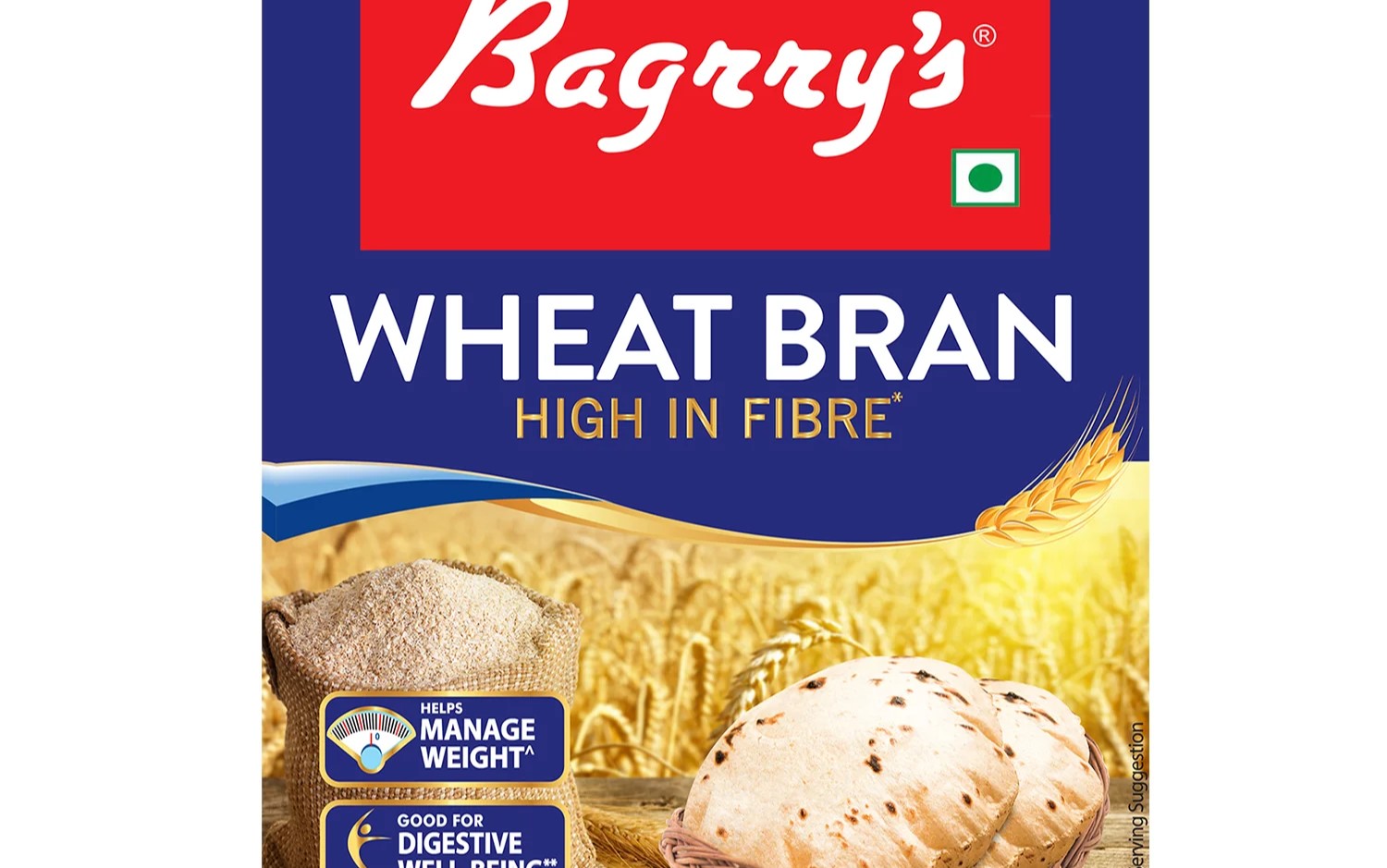
Wheat bran

Conventional milling of wheat grains is based on separating the endosperm (which produces white flour when milled) from the bran layers and embryo. Wheat bran is a fraction of the outer pericarp layer, left as by-product after milling with food and non-food applications

Wheat bran is rich in minerals, fiber, vitamin B6, thiamine, folate and vitamin E which are known to possess health-promoting properties.

It also contains bioactive compounds such as phenolic acids, arabinoxylans, alkylresorcinol and phytosterols. These compounds have been suggested as an aid in prevention of noncommunicable diseases such as cardiovascular disease.

Wheat bran is subdivided into three distinct layers, viz testa, aleurone and pericarp. Wheat bran is composed of about 53% dietary fibre (xylans, lignin, cellulose, and galactan, fructans).

Bran is used in the production of brown and whole-meal flours, hence retaining some of the valuable nutritional components that are depleted when these fractions are further removed in the refinement of white flour.

It has been suggested that the antioxidant phytochemicals found in wheat bran fractions may modulate cellular oxidative status and prevent biologically important molecules such as DNA, proteins and membrane lipids from oxidative damage, and that this consequently plays a role in reducing the risk of chronic diseases such as CVD and cancer.

Wheat bran is subdivided into three distinct layers, viz testa, aleurone and pericarp. Wheat bran is composed of about 53% dietary fibre (xylans, lignin, cellulose, and galactan, fructans).

Wheat bran makes up about 13-17% of total wheat grain weight and its extraction is divided into two types depending on the process of milling.
1. Dry milling: Involves the separation of bran from the endosperm, which is further ground into fine flour.
2. Roller milling: Separation of bran from wheat grain is achieved efficiently using a roller mill.
Wheat bran

Wednesday, April 12, 2023

Amino acid in wheat

Amino Acids are molecules that have an amino group and a carboxyl group attached to its α-carbon atom. It’s α-carbon atom is also attached to hydrogen and a side chain that varies between different amino acids. Proteins, also known as polypeptides, are organic compounds made of amino acids arranged in a linear chain and folded into a globular form.

The quality and quantity of wheat depends upon the nutritive value of its protein. From nutritional point of view a balance between essential amino acids in the protein complex is important. Albumins and globulins of wheat endosperm represent 20% to 25% of total grain proteins. Nutritionally, the albumins and globulins (non-glutens) have a very good amino acid balance.

The wheat protein is rich in non-essential glutamic acid and proline, whereas deficient in most of the essential amino acids, such as lysine, tryptophan, threonine, methionine and histidine. Processing wheat into various products further depletes it of essential amino acids.

Gluten is a water insoluble protein composite found in foods processed from wheat and also related grain species, including barley and rye. Gluten is a mixture of two proteins, glutenin and gliadin. It is also the composite of a prolamin and glutelin, which exist, conjoined with starch, in the endosperm of various grass-related grains.
Amino acid in wheat

Saturday, December 10, 2022

Vitamins in wheat

Many vitamins can be found in whole wheat foods. These include vitamin A, vitamin C, the B-vitamin, folate. Wheat can be found all over the world and is very easy to incorporate in daily diet.

The bran is the fiber-rich outer layer that supplies B vitamins, minerals, and other nutrients. The germ is the core of the seed where growth occurs; it is rich in with vitamin E, B vitamins,

The endosperm is the interior layer that holds the proteins, carbohydrates, iron, and B-vitamins such as riboflavin and niacin.

Vitamins A (in the form of beta-carotene), C, and E function as antioxidants, which are vital in countering the potential harm of chemicals known as free radicals. If these chemicals remain unchecked, they can make cells more vulnerable to cancer-causing substances.

Wheat protein and vitamins B and E aid to develop and rebuild muscle tissues. The wheat germs that are eliminated during the purification process are also high in important vitamin E, which could also lead to heart disease if not consumed.

There are a variety of B vitamins in wheat, such as thiamine, riboflavin, pyridoxine, niacin, pantothenic acid, biotin and folates. These molecules are water-soluble and play an important role in metabolism, particularly the metabolism of carbohydrates (thiamine), proteins and fats (riboflavin and pyridoxine).

Consuming a quarter-cup of wheat germ boosts your folate intake by 81 micrograms, or 20 percent of the recommended daily intake.
Vitamins in wheat

Tuesday, November 15, 2022

Wheat kernel

Wheat is the primary grain used in U.S. grain products — approximately three-quarters of all U.S. grain products are made from wheat flour. The kernel or wheat berry, is the seed from which the wheat plant grows. The kernel’s size generally ranges from 5 to 9 mm long and weighs between 35 to 50 mg.

Wheat kernels are loaded with nutrients because they are whole grains. A cup of cooked berries has about 300 calories and is packed with vitamins, fiber, protein, and iron.
Each tiny seed contains three distinct parts that are separated during the milling process to produce flour —the endosperm, bran and germ

Bran
The bran is the multi-layered outer skin of the edible kernel and makes up around 14.5 percent of its weight. The bran contains a small amount of protein, trace minerals, and dietary fiber – primarily insoluble. The bran is an excellent source of insoluble fiber, which makes its inclusion in whole wheat flour valuable to improving digestive health for the end consumer.

Endosperm
Endosperm is about 83% of the kernel weight and the source of white endosperm flour. It has a high portion of protein, along with carbohydrates and iron. The endosperm is also a source of soluble fiber.

Germ
The germ is the embryo which has the potential to sprout into a new plant. It is the center of the kernel and only 2.5 percent of its weight. The germ contains minimal quantities of high-quality protein and a greater share of B-complex vitamins and trace minerals. Germ is often separated from flour during milling because the germ’s high fat content can limit the shelf life of flour.
Wheat kernel

Monday, October 10, 2022

Germ of wheat

Wheat is known to have been cultivated in Europe and Asia as far back as 9,000 years ago. Wheat grains contain three parts: the germ, the kernel or endosperm or floury endosperm and envelopes and integuments forming the bran.

The germ is like a little tiny wheat embryo in the center of the grain. It plays a role in the reproduction and production of new wheat. Wheat germ is part of a wheat kernel and is responsible for helping the plant reproduce and spawn new wheat.

The germ is the healthiest part of the wheat berry. Even though it’s quite small, only about 3% of the wheat berry, it has a growing reputation as a nutritional powerhouse and breakout health-boosting superhero. The germ is rich in oil and proteins.

Wheat germ contains a variety of minerals that help human body perform different functions. Zinc, manganese, phosphorus, and magnesium are all packed inside the germ.

Wheat also contains other bioactive compounds such as vitamins, antioxidants, phytosterols, plant-based protein, wheat germ agglutinin, and oxalate.

Wheat germ comes in many forms, such as extracted oil, raw, and toasted. Wheat germ is added to some granolas, cereals, and cornbread, and it’s also available raw. It is a popular topping for fruit pies, yogurt, ice cream, and hot or cold cereal.
Germ of wheat

Sunday, July 10, 2022

Sodium in wheat products

The 2020-2025 Dietary Guidelines for Americans recommend that Americans consume less than 2,300 milligrams (mg) of sodium per day as part of a healthy eating pattern.

Bread is the top contributor of dietary sodium in the US and many other countries around the world. Whole wheat bread is a staple for many health-conscious people because its high fiber, helps to lower cholesterol and prevent heart disease. According to USDA one slice (43g) of whole wheat bread containing about 170 mg sodium.

Sodium in wheat is present at a level of only about 80 ppm and is considered a trace element in this case. Hard wheat generally contains more of these elements than soft wheat. White and whole-wheat flour are key ingredients in baked goods, such as bread. Other wheat-based foods include pasta, noodles, semolina, bulgur, and couscous.

One cup of White Wheat Flour (All Purpose) which has about 2 mg of sodium. Amount of sodium in Shredded wheat: 9.9mg. Most people eat much more sodium (salt) than they need. This can lead to health problems like high blood pressure.

Try to look for foods with 5% Daily Value (DV) or less for sodium. The best food option includes whole-wheat or whole-grain pasta, whole-grain breads, bagels, English muffins, tortillas, and crackers.
Sodium in wheat products

Sunday, March 13, 2022

Wheat - An important source of minerals

Wheat contains many minerals. The amount of minerals present in a wheat sample often varies among cultivars and growing environments. It is also determined by the type, soil, climate, and agricultural practices, such as organic farming.

The intake of plant nutrients and their interaction with each other is one of the issues that should be carefully considered.

Minerals are essential micronutrients for human health and wheat stands out for being an important source of these components, including microelements such as Fe, Cu, Mn, and Zn; and macroelements, such as Mg, Ca, Na, and K.

Minerals form a small part of the wheat kernel, and an even smaller proportion of the endosperm- less than 1%.

Even the minerals in wheat kernel are not uniformly distributed; rather, they are concentrated in the area close to the bran coat and in bran itself. It is the aleurone layer that is the primary domain of wheat minerals.

Phytin crystals are not found in any other bran structure by the aleurone cells. Aleurone is the layer between the bran and the endosperm.

Major constituents of the mineral fraction are the phosphates and sulfates of potassium, magnesium, and calcium. Some of the phosphate is present in the form of phytic acid.

Phytic acid concentrated in the bran, phytic acid may impair the absorption of minerals, such as calcium, iron and zinc – to form indigestible compounds, thereby limiting the body’s intake of these minerals and possibly leading to deficiency.

One report shows the following ranges, in mg per kg, for wheat: iron 18-31, copper 1.8-6.2, manganese., 24-37, and selenium 0.04 – 0.71.

Iron plays an important role in the synthesis of hemoglobin. Moreover, it is a structural component of myoglobin as well as cofactor of several enzymes.

Selenium: This trace element has various essential functions in human body. The selenium content of wheat depends on the soil — and is very low in some regions, including China.

Sodium in wheat is present at a level of only about 80 ppm and is considered a trace element in this case. Hard wheat generally contains more of these elements than soft wheat
Wheat  - An important source of minerals

Thursday, December 9, 2021

High protein flour – produced from hard grain wheat

Proteins have long been known as the unique component in wheat responsible for its breadmaking quality.

High protein flour made from hard grain wheat (10-14% protein content) are and low protein flours made from lower -protein wheat (5-10% protein content) are “soft wheat”.

Low protein flour produces fine and evenly textured cake, while high protein wheat produces a bread loaf with good crumbs structure.

Wheat flour proteins can be divided into two broad groups, the gluten and nongluten proteins. Nongluten proteins include primarily albumins and globulins (AG), which are considered mainly metabolic proteins but may have some role in breadmaking.

According to the Codex Alimentarius, “gluten is a protein fraction of wheat, rye, barley, or their crossed varieties and derivatives thereof, being insoluble in water and NaCl 0.5 mol/L”. Gluten proteins (gliadins and glutenins) have been recognized as the major components responsible for variations in breadmaking characteristics.

It is generally accepted that gluten proteins are one of the most important factors determining the baking quality of wheat flours. The higher the protein content, more gluten it has, the more strength it has. Gluten proteins are storage proteins and classified into gliadins soluble in aqueous alcohol and glutenins soluble in aqueous alcohol only after reduction of disulfide bonds.
High protein flour – produced from hard grain wheat 

Saturday, July 31, 2021

Lipid content in wheat

Lipids represent only 2-3% by weight of wheat grain but they are considered to have significant impacts on flour and dough functionality, by interacting with gluten proteins and starch and by stabilizing gas cells in breadmaking

The endosperm itself comprises two tissues. The outer part is the aleurone layer, which comprises a single layer of cells in wheat. The aleurone cells have thick walls (and hence high dietary fiber), contain storage lipids (i.e., triacylglycerol) and globulin storage proteins, and are rich in minerals, vitamins, and phytochemicals (micronutrients).

Roughly two thirds (66%) of lipids are contained in the germ, 15% are in the bran (particularly in the aleuronic layer), and about 20% are distributed in the endosperm, partly within the starch granules.

Lipid content, lipid classes and fatty acid levels in wheat kernels depend on a set of factors, some of which are genetic, such as species and variety, whereas others depend on the environment and are related to pedoclimatic conditions, agronomic practices and maturity level.

The majority of the lipids in wheat are fatty acid (FA) esters of glycerol, and the remainder include free (unesterified) fatty acids (FFA) and several types of sterol-based lipids and glycosphingolipids.

Traditional methods of lipid analysis such as thin layer chromatography are limited in their ability to identify and quantify specific lipid molecular species. Latest techniques using sensitive mass spectrometry-based high throughput methods have allowed the detailed and systematic characterization of lipids.
Lipid content in wheat

Tuesday, November 17, 2020

Wheat milling in ancient history

It is generally believed that wheat had its origins in the regions of the ancient Eastern region of Egypt, Mesopotamia and the Levant, around 7000 B.C, although it had likely been gathered as a wild grain much earlier.

The grain was placed in a large saucer-shaped stone, a smaller rounded stone was used to crush it. Saddle querns seem to be the most common cereal grinding tools through all prehistory and early history of Mesopotamia and the Mediterranean.

The process of milling wheat into flour was revolutionized around 800 BC in Mesopotamia, when animal, water and wind power were harnessed for the first time to run the large stones used for grinding.

These mills were often constructed using good quality stones, the grinding process could have been repeated several times and finally flour was sieved.

In ancient Rome the mill and the bakery were the very same enterprise. The grains were milled and worked up without delay to dough and bread.

In the Middle Ages the milling of four became the monopoly of a few professional millers who were granted this concession by the wealthy landholders who built the large mills.

The first wind-powered mills were built in England in the 11th century, and in Belgium Luxemburg and the Netherlands in the 12th century.
Wheat milling in ancient history

Tuesday, September 15, 2020

Wheat a major cereal

The major cereals are wheat, corn, rice, barley, sorghum, millet, oats, and rye. They are grown on nearly 60% of the cultivated area in the world. The three most important food crops in the world are rice, wheat, and maize (corn).

Wheat is a major cereal crop in many parts of the world. It belongs to the Triticum family, of which there are many thousands of species. Wheat is a staple source of nutrients for around 40% of the world’s population. The cultivation of wheat reaches far back into history.

Wheat was one of the first domesticated food crops and for 8000 years has been the main food of the major civilizations of Europe, West Asia and North Africa. This is likely because of wheat’s agronomic adaptability, ease of grain storage and ease of converting grain into flour for making many different foods.

Wheat is grown in a wider range of environments, from relatively limited water availability to high water availability. In addition, wheat can withstand a wide temperature range, and is thus widely produced in the temperate regions both in the winter and spring. Wheat is also commonly grown in warmer regions; however, higher temperatures during flowering and grain filling can significantly depress wheat yield.

Most of the wheat produced is used for human consumption and because of its unique properties, a large range of ingredients and foods are produced, including wheat germ, spelt (a coarse type of wheat), couscous, cracked wheat or bulgur and wheat starch.

Wheat is the most important source of carbohydrate in a majority of countries, and, globally, it is the leading source of vegetal protein in human food, having a protein content of about 13%, which is relatively high compared to other major cereals.

Wheat, eaten as a whole grain, is also a source of micronutrients and dietary fibre, it contains minerals, vitamins and fats (lipids), and with a small amount of animal or legume protein added is highly nutritious.
Wheat a major cereal

Saturday, October 28, 2017

Nutrients in rye and rye bread

Rye is a common cereal grain related to wheat. Rye was domesticated in northern Europe in the fourth century BC and independently in Asia and the Middle East. The major sugars in rye are sucrose and raffinose. The fatty acid component of rye is linoleic acid to be major fatty acid followed by oleic acid and palmitic acid.

Rye is a good source of fiber, which is especially important in the United States and industrial countries since most of them do not get enough fiber in their diets.

Rye fiber is richly endowed with non-cellulose polysaccharides, which have exceptionally high water-binding capacity and quickly give a felling of fullness and satiety, making bread a real help for anyone trying to lose weight.

Rye protein, like wheat protein, is deficient in the essential amino acid, lysine.

Many types of rye breads and rolls are produce in different areas of the world. Germany alone produces more than 200 different varieties of rye breads.

The dough produced by rye flour is less elastic than wheat dough, and the breads therefore tend to be heavy and flat unless the rye flour is mixed with wheat to aid leavening and lighten the color.

Rye breads vary in crumb color from practically white to a very dark color in shape for round to elongated loaves, and in taste from a mildly sour flavor to a storng, distinctive acid taste.
Nutrients in rye and rye bread

Friday, December 16, 2016

Infestation problem with stored wheat

Weevils are potential problem with stored wheat. The moths lay their eggs on the seeds before they are harvested.

The weevil eggs or larvae may already be in the grain when it is harvested or when it is binned before shipment or packaging.

Rhyzopertha dominica
Grain that is cool, dry, and clean is unfavorable for the development of insects. They don not breed in clean grain unless the moisture content is 11% or above or the temperature is 80 degree or above.

If the grain contains floury dust or broken kernels, and if the temperature is 70 degree or above, they will breed in it regardless of the moisture content.

One of the major insect is Rhyzopertha dominica also known as the lesser grain borer, American wheat weevil, Australian wheat weevil, and stored grain borer. The adult and larvae bore in stored grains of all kinds.

Rhyzopertha dominica is better able to survive in drier grain than weevils, which probably accounts for its being a more serious pest of farm-stored when in the central and southern plains areas of the United States.
Infestation problem with stored wheat

Monday, March 7, 2016

Wheat processing: Milling

The single term ‘milling’ applied in the context of cereals, covers a wide range of processes. Wheat is milled in a continuous process to remove the bran and germ and reduce the wheat kernel to flour to be used in various baked and nonbaked goods.

A small portion of production is geared towards the production of whole-wheat flours employing a simplified process flow sheet, but most demand and effort is directed towards the production of white flour. The conventional milling process of wheat first involves washing to remove foreign substance such as dirt or rocks.

Milling is a process by which kernel components are separated physically or chemically. Once the endosperm is separated it subsequently is ground multiple times in reduction rolls to become finer and finer for flour.

As the bran and germ are removed, the refined flour contains streams that contain less vitamins and minerals. If flours streams of the endosperm are blended during the milling process various flours are created. Other products of the process, e.g. vital gluten, can supplement other edible products.

Millfeeds, the material remaining after all the usable flour is extracted is used by the feed industry either directly or as a feed supplement.

Wheat milling practices might cause significant differences in flour quality, which are due to flour particle size, extraction rate, and the level of starch damage.

In general, 100 pounds of wheat will produce 72 pounds of flour. The remaining 28 pounds is classified as millfeed.
Wheat processing: Milling

Friday, October 23, 2015

What is mixed wheat

The mixed wheat class includes all mixture not provided for in other class. According to code of Federal regulations of United States, the class Mixed Wheat shall be any mixture of wheat which consists of one of the following:

*Two or one classes each of which constitutes more than 10.0 percent of the mixture; or
*One class that constitutes more than 10.0 percent and two or more other classes in combination that exceed 10.0 percent of the mixture or
*Several classes none of which constitutes 10.0 percent or more of the mixture but which combined meet the definition for wheat.

 Mixed wheat shall be graded according to the numerical and sample grade requirements of the class of wheat which predominates in the mixture.
What is mixed wheat?

Friday, September 25, 2015

Wheat grain morphology

Wheat grains, botanically, are the fruits (caryopsis) of the wheat plant. Mature wheat grain or kernel is roughly ovate or egg shaped. Wheat structure is a single seeded fruit, 4 to 10 mm long, consisting of three main parts namely the bran, the endosperm and the germ or embryo.

The fruit coat or pericarp (45 to 50 um thick) surrounds the seed and adhere closely to the seed coat.

Wheat grains are bone on a spike, also called an ear, which is a branched structure. The major axis of this spike bears two rows of alternating secondary axes known as rachillas.

The wheat color, depending on the species and other factors is red to white and is due to material present in the seed coat.

Wheat also is classified based on physical characterizes such as red, white soft, hard spring or winter.
Wheat kernel cross section
The grain obtained from the wheat plant is a nut-like fruit called by botanist a caryopsis. It includes a single seed or kernel enclosed within a thin shell derived from the ovary wall of the maternal parent.

The outer pericarp is consisting of the epidermis and hypodermis. The epidermis consists of a single layer of cells that from the outer surface of the kernel.

On the outer walls of the epidermal cells is the water impervious cuticle. Some epidermal cells at the apex of the kernel are modified to form hairs.

The hypodermis is composed of one to two layers of cells. The inner pericarp is composed of intermediate cells and cross –cells inward from hypodermis.

Long and cylindrical tube cells constitute the inner epidermis of the pericarp. A deep groove or crease extends the entire length of the wheat kernel. It cuts almost to the center of the kernel. In the crease, the seed coat joins the pigment strand, and together they form a complete coat about the endosperm and germ.

Three layers can be distinguished in the seed coat: a thick outer cuticle, a “color layer” that contains pigment, and a very thin inner cuticle.

The bran comprises all outer structures of the kernel inward to, and including the aleurone layer. The aleurone, which forms the outer periphery of the endosperm and the innermost layer of the bran, accounts for 3%-4% of the weight of the kernel; it is usually removed with the bran during milling.

The endosperm is composed of peripheral, prismatic and central cells that are different in shape, size and position within the kernel.

The endosperm cells are packed with starch granules, which lie embedded in a protein matrix. Wheat endosperm contains mainly to types of granules a larger type, mostly about 20-35 micrometers (um) across (A-starch), being lenticular in shape, and a smaller spherical type, ranging from 2-8um in diameter (B-starch).
Wheat grain morphology

Monday, February 16, 2015

Cereal species

Cereals are members of the grass family Gramineae, being monocotyledonous angiosperm.  Based on botanists’ approximation, there are about 350,000 plant species, of which about 195,000 species are economically important flowering plants.

Cereals can be defined as grasses of which the grain is used for food; they may be cultivated or the grain is collected from wild plants.

Nearly 50 species are cultivated worldwide and as few as 17 species provide 90% of human food supply and occupy about 75% of the total tilled land on earth.

The cereal grains such as wheat, rice, corn, barley, oat, rye, sorghum and millet provide 50% of the food energy and 50% of the protein consumed on earth. Cereals are comparatively easy to grown and harvest, to store and to process into versatile and popular foods.

Wheat, rice and corn together make up three-fourths of the world’s grain production. The cereal species used in the greatest volume by the food industry is wheat. The types cultivated include hard (H) and soft (S) grained, red ® and white (W) grained and winter (W) and spring (S) sown variants.
Cereal species 

Popular Posts

Other articles