Showing posts with label definition. Show all posts

Saturday, February 3, 2018

Fiber rich Whole-wheat bread

Whole-wheat bread contains the whole grain, including the fiber rich bran and germ. Whole-wheat breads are part of a genre known as whole grain breads because whole wheat flours are grounds from all the parts of the grain.

Consumers must read the label: some whole-wheat bread, while still made of nutrient-rich flour, can be heavily laced with honey and brown sugar or molasses. Whole-wheat bread makes a better sandwich than plain white bread.
Whole-wheat bread is a better food than white bread which has not been enriched, since whole wheat bread contains the wheat germ and unenriched white bread does not. When making sandwiches, a good compromise is to use one slice of whole wheat bread and one slice of enriched white bread.

Whole-wheat flour should be the first ingredient and the only type of flour listed. Whole-wheat bread can be made with all different proportions of whole wheat flour, from a few tablespoons to 50 or 75 percent.

Differences in the grinds of different brands of flour also contribute slightly different textures to whole wheat breads.
Fiber rich Whole-wheat bread 

Thursday, March 16, 2017

Enriched white bread

Enriched refers to the process by which the B vitamin, thiamin, riboflavin, niacin, folic acid, and the mineral iron are added to refined grain and grain products at level specified by law.

Enriched white bread has vitamins and minerals added to bring it up to the whole grain level (usually B1, B2, niacin and iron are added). Addition of calcium is optional, but if added it might meet specified levels.

Since it does not contain the wheat germ, it does no supply as wide an assortment of vitamins and minerals as whole wheat bread. When bread or rolls are enriched with nutrients such as vitamins, minerals, wheat germ or amino acid, this stated on the wrapper.

A single of refined enriched bread is not ‘rich’ in the enrichment nutrients, but people who eat several servings a day obtain significantly more of the relevant nutrients than they would from unenriched refined prduct.

Although some nutrients are added back in a process called fortification, enriched white bread contains less fiber and nutrients than whole grain breads.
Enriched white bread

Wednesday, March 1, 2017

What is cornmeal?

Cornmeal is a whole or degerminated corn grain coarsely ground. Once the corn was ground, it can be used in corn bread, cooked cereal, cookies, tamales, tortillas, griddlecakes, and waffles.

Grits is the generic term applied to a gruel made from coarsely ground corn. In the United States the word usually means ground hominy, corn that has been treated by soaking in a solution of lye in order to soften in and make the amino acids more readily absorbed by the body.

Cornmeal muffin
Traditionally, dried whole kernels were ground to prepare cornmeal. This cold-processed cornmeal contains more oil and beta-carotene than in the ‘new process’.

In this latter procedure, both the hull and germ of the kernel are removed before milling. New-process cornmeal keeps better because it contain less fat.

Cornmeal made into porridge or polenta, is a better choice; although most brands of cornmeal have been degermed to prevent them from deteriorating, some types of cornmeal retain the fiber-rich bran.
What is cornmeal?

Friday, October 23, 2015

What is mixed wheat

The mixed wheat class includes all mixture not provided for in other class. According to code of Federal regulations of United States, the class Mixed Wheat shall be any mixture of wheat which consists of one of the following:

*Two or one classes each of which constitutes more than 10.0 percent of the mixture; or
*One class that constitutes more than 10.0 percent and two or more other classes in combination that exceed 10.0 percent of the mixture or
*Several classes none of which constitutes 10.0 percent or more of the mixture but which combined meet the definition for wheat.

 Mixed wheat shall be graded according to the numerical and sample grade requirements of the class of wheat which predominates in the mixture.
What is mixed wheat?

Saturday, May 30, 2015

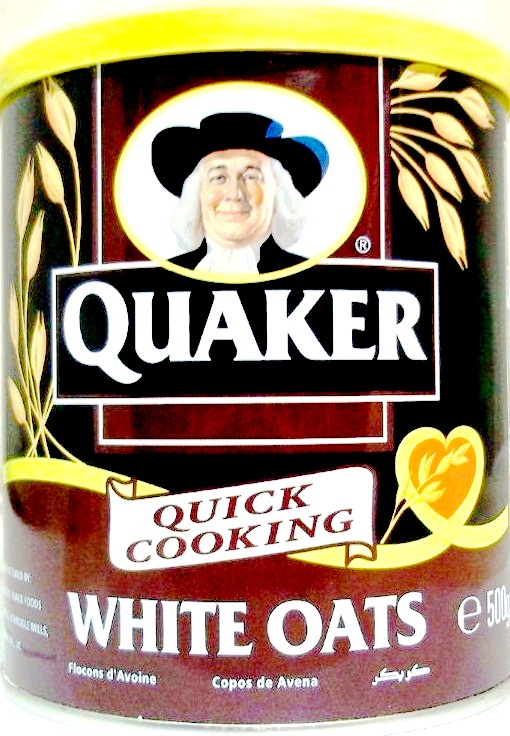
Quick cooking oats

Quick cooking oats are oat groats which are cut into small pieces and then steamed and flattened like old fashioned oats, can be used in baking in place of old fashioned oats.

Quick cooking oats are more tender than other types and therefore often best in baking and other cooking.

While their nutritional value is equivalent to that of old-fashioned rolled oats, they are not as flavorful.

They are used in pancakes, muffins, quick breads, scones, cookies, and yeast breads and in place of breadcrumbs as a coating for poultry.

Quick cooking oats can be cooked for 3 to 5 minutes in 2.5 cups of liquid per cup oats. These is due to they are finely chopped and partially cooked in advance.

When cooking oatmeal, water produces the densest, chewiest, nuttiest porridge; milk or soymilk, the most tender and creamy. The fat content of the milk affects the texture as does combining water and milk in varying proportions.
Quick cooking oats

Popular Posts

Other articles