Showing posts with label bran. Show all posts

Thursday, June 8, 2023

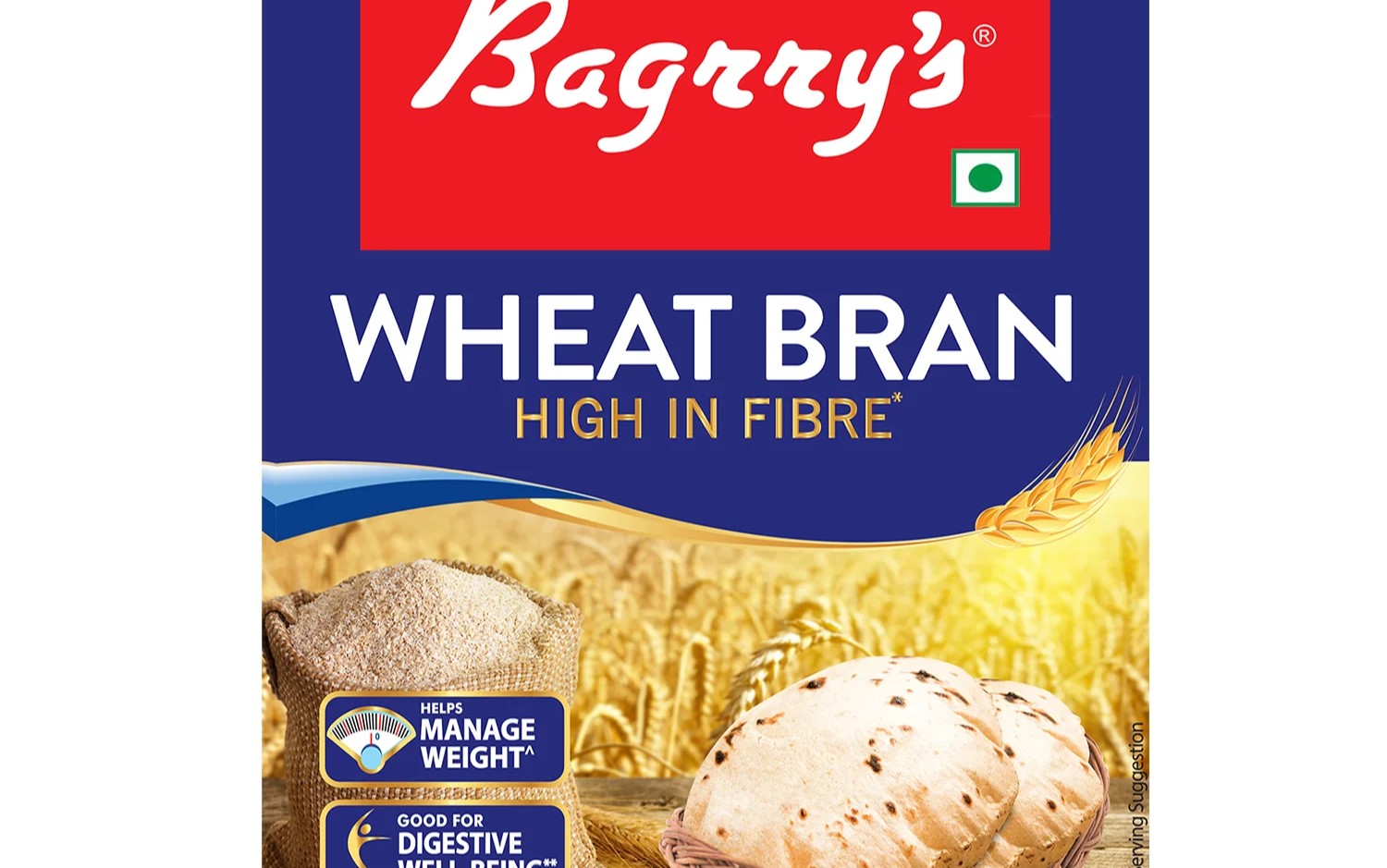
Wheat bran

Conventional milling of wheat grains is based on separating the endosperm (which produces white flour when milled) from the bran layers and embryo. Wheat bran is a fraction of the outer pericarp layer, left as by-product after milling with food and non-food applications

Wheat bran is rich in minerals, fiber, vitamin B6, thiamine, folate and vitamin E which are known to possess health-promoting properties.

It also contains bioactive compounds such as phenolic acids, arabinoxylans, alkylresorcinol and phytosterols. These compounds have been suggested as an aid in prevention of noncommunicable diseases such as cardiovascular disease.

Wheat bran is subdivided into three distinct layers, viz testa, aleurone and pericarp. Wheat bran is composed of about 53% dietary fibre (xylans, lignin, cellulose, and galactan, fructans).

Bran is used in the production of brown and whole-meal flours, hence retaining some of the valuable nutritional components that are depleted when these fractions are further removed in the refinement of white flour.

It has been suggested that the antioxidant phytochemicals found in wheat bran fractions may modulate cellular oxidative status and prevent biologically important molecules such as DNA, proteins and membrane lipids from oxidative damage, and that this consequently plays a role in reducing the risk of chronic diseases such as CVD and cancer.

Wheat bran is subdivided into three distinct layers, viz testa, aleurone and pericarp. Wheat bran is composed of about 53% dietary fibre (xylans, lignin, cellulose, and galactan, fructans).

Wheat bran makes up about 13-17% of total wheat grain weight and its extraction is divided into two types depending on the process of milling.
1. Dry milling: Involves the separation of bran from the endosperm, which is further ground into fine flour.
2. Roller milling: Separation of bran from wheat grain is achieved efficiently using a roller mill.
Wheat bran
Tuesday, November 15, 2022

Wheat kernel

Wheat is the primary grain used in U.S. grain products — approximately three-quarters of all U.S. grain products are made from wheat flour. The kernel or wheat berry, is the seed from which the wheat plant grows. The kernel’s size generally ranges from 5 to 9 mm long and weighs between 35 to 50 mg.

Wheat kernels are loaded with nutrients because they are whole grains. A cup of cooked berries has about 300 calories and is packed with vitamins, fiber, protein, and iron.
Each tiny seed contains three distinct parts that are separated during the milling process to produce flour —the endosperm, bran and germ

Bran
The bran is the multi-layered outer skin of the edible kernel and makes up around 14.5 percent of its weight. The bran contains a small amount of protein, trace minerals, and dietary fiber – primarily insoluble. The bran is an excellent source of insoluble fiber, which makes its inclusion in whole wheat flour valuable to improving digestive health for the end consumer.

Endosperm
Endosperm is about 83% of the kernel weight and the source of white endosperm flour. It has a high portion of protein, along with carbohydrates and iron. The endosperm is also a source of soluble fiber.

Germ
The germ is the embryo which has the potential to sprout into a new plant. It is the center of the kernel and only 2.5 percent of its weight. The germ contains minimal quantities of high-quality protein and a greater share of B-complex vitamins and trace minerals. Germ is often separated from flour during milling because the germ’s high fat content can limit the shelf life of flour.
Wheat kernel

Popular Posts

Other articles